
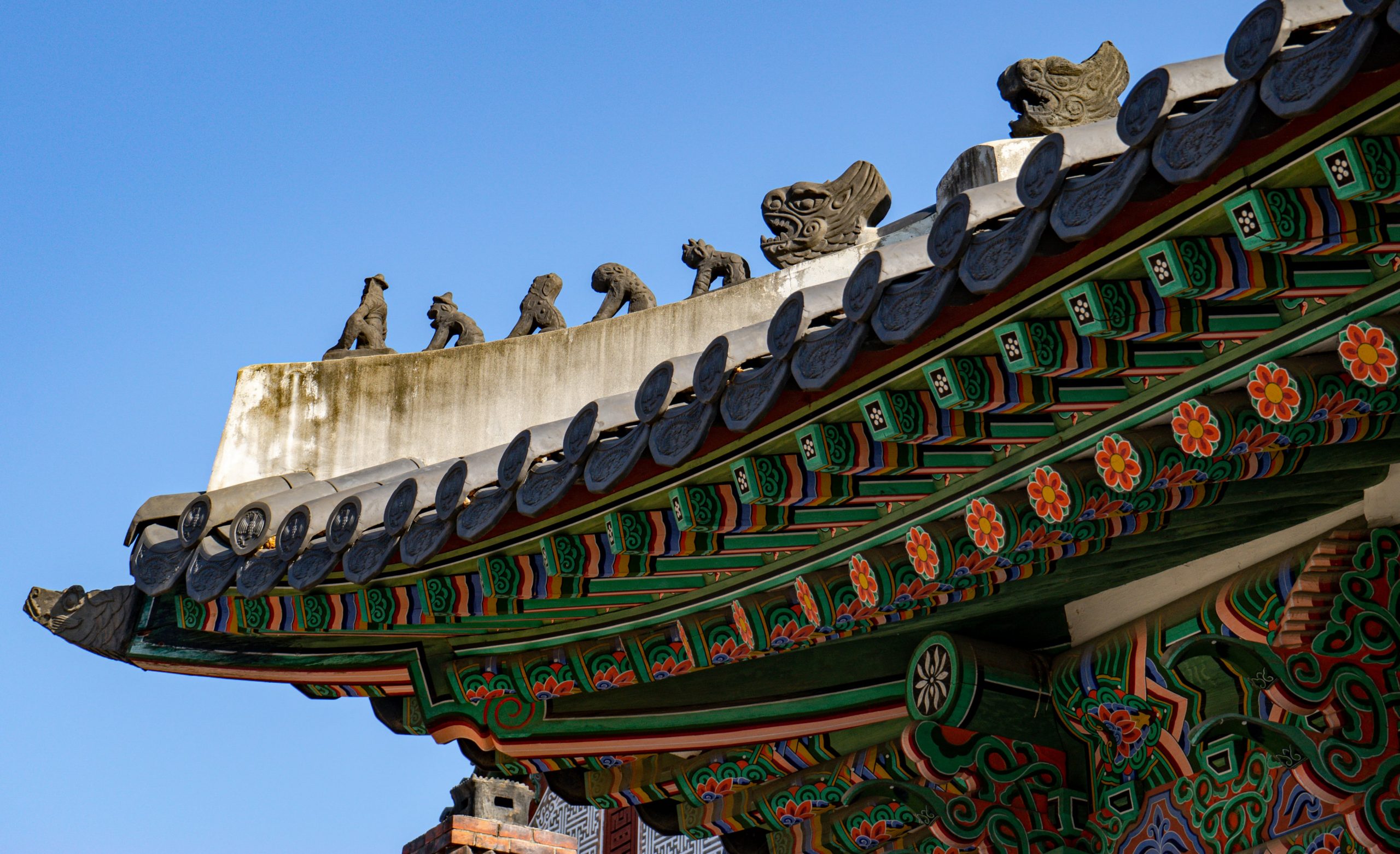
Asian Theme House Design
Read Time:5 Minute, 56 Second
Asian theme house design has become increasingly popular in modern home styling because it offers a timeless sense of calm, balance, and simplicity. Many Asian-inspired interiors focus on natural materials, clean lines, and thoughtful spaces that feel peaceful rather than cluttered. Instead of relying on loud décor, these designs often highlight harmony—between indoor and outdoor spaces, between light and shadow, and between function and beauty.
Asian-inspired home design is not limited to one country or one aesthetic. It can include Japanese minimalism, Chinese traditional elegance, Korean modern warmth, Southeast Asian tropical textures, or a blend of multiple influences. What ties these styles together is a shared respect for nature, intentional living, and meaningful design elements.
This article explores Asian-inspired house design ideas in a practical way. It covers different Asian interior styles, key design features, furniture choices, color palettes, décor elements, and layout principles. It also explains how homeowners can create an Asian-inspired atmosphere without turning the home into a theme set. The goal is to build a space that feels authentic, comfortable, and naturally stylish.
Japanese Minimalism: Clean, Calm, and Functional
Japanese-inspired interiors are known for minimalism and quiet beauty. This style focuses on simplicity, natural light, and spaces that feel open and uncluttered.
A key element of Japanese design is the idea of “less but better.” Furniture is often low-profile, with clean lines and neutral tones. Many Japanese homes also use natural wood, bamboo, and paper-inspired textures.
Shoji screens are one of the most recognizable Japanese features. They create soft separation between rooms while still allowing light to pass through.
Floor cushions, tatami-style mats, and simple décor pieces such as ceramics or bonsai plants also fit well in this style.
Japanese minimalism works best when clutter is reduced and storage is organized.
Within the broader theme of Asian interior design ideas, Japanese minimalism stands out because it creates peace through simplicity and intentional space.
Chinese-Inspired Elegance: Tradition with Modern Luxury
Chinese-themed home design often blends traditional elements with rich, elegant detail. This style can feel more decorative than Japanese minimalism, but it still focuses on balance and harmony.
Common Chinese design features include dark wood furniture, carved patterns, and symbolic décor. Red, gold, and deep earth tones are often used as accents, though modern Chinese-inspired homes may use softer shades for a cleaner look.
Traditional Chinese décor may include porcelain vases, landscape paintings, calligraphy art, and lantern-style lighting.
Modern versions of this style focus on using only a few statement pieces instead of overwhelming the room with heavy décor.
Chinese-inspired design can work beautifully in living rooms, entryways, and dining areas where it creates a sense of warmth and prestige.
For homeowners seeking home and garden style inspiration, Chinese design offers a strong blend of heritage and timeless sophistication.
Korean Modern Interiors: Warm Minimalism and Soft Balance
Korean-inspired home design has gained global popularity because it blends minimalism with warmth. It often feels softer and more cozy compared to Japanese minimalism.
Korean interiors commonly use neutral colors such as beige, cream, and soft gray. The focus is on creating a clean space that still feels inviting.
Furniture is often modern, with rounded edges and natural textures. Wood tones are usually light and warm.
A popular Korean design feature is subtle lighting. Soft lamps, warm LED tones, and gentle shadows create a peaceful atmosphere.
Korean interiors also emphasize comfort. Cozy rugs, simple seating, and calm wall décor help the home feel relaxing rather than cold.
This style is ideal for apartments and modern homes because it works well in small spaces without looking crowded.
Southeast Asian Tropical Style: Nature, Texture, and Relaxed Living
Southeast Asian-inspired design often reflects tropical climates and outdoor living. This style is popular for homes that want a resort-like feel.
Natural materials are a major feature. Rattan, bamboo, teak wood, and woven fabrics are commonly used. These textures add warmth and a relaxed vibe.
Colors are often inspired by nature—greens, sandy neutrals, warm browns, and deep blues.
Indoor plants are essential for this style. Large leafy plants help bring the outdoors inside.
Southeast Asian décor often includes handcrafted baskets, wood carvings, and traditional textile patterns.
This style works especially well in living rooms, patios, and open-layout homes.
For those exploring natural home décor trends, Southeast Asian design is ideal because it feels airy, fresh, and connected to nature.
Key Design Elements That Make a Home Feel “Asian-Inspired”
Many homeowners want Asian design influence without fully copying one cultural style. In that case, focusing on key design elements is the best approach.
Natural materials are the foundation. Wood, bamboo, stone, and linen help create authenticity.
Balance is another key principle. Asian design often uses symmetry or intentional spacing so the room feels harmonious.
Neutral color palettes with small accent tones create calmness. Instead of heavy decoration, Asian-inspired rooms focus on meaningful pieces.
Lighting also matters. Soft lighting, lantern-style lamps, and natural sunlight help create a peaceful atmosphere.
Nature-inspired décor, such as plants, water features, or landscape artwork, also supports the Asian design mood.
These elements can be applied in any home, even without fully changing the structure or furniture.
How to Create an Asian-Inspired Home Without Overdoing It
A common mistake is turning Asian theme design into a “tourist décor” look. Authentic Asian-inspired homes feel natural, not staged.
The best strategy is to choose one main influence—Japanese, Chinese, Korean, or Southeast Asian—then build around it.
Mixing too many cultural elements can make the design feel confusing. A home should feel cohesive.
Another smart approach is to focus on layout and atmosphere rather than décor. Asian-inspired homes often feel calm because of open space, good lighting, and natural textures.
Instead of buying many decorative items, choose a few high-quality pieces such as a lantern lamp, a wood table, or a framed ink painting.
For readers interested in practical home design tips, Asian-inspired styling is most successful when it prioritizes balance, comfort, and simplicity over decoration.
Conclusion
Asian theme house design continues to grow in popularity because it offers something many modern homes need: calm, balance, and a stronger connection to nature. Whether inspired by Japanese minimalism, Chinese elegance, Korean warmth, or Southeast Asian tropical style, Asian-inspired interiors focus on intentional living rather than clutter. Natural materials like wood, bamboo, rattan, and stone create authenticity, while soft lighting and neutral palettes support a peaceful atmosphere. The most successful Asian-inspired homes are not built through excessive décor but through thoughtful layout, open space, and meaningful design choices. Instead of turning a home into a theme set, homeowners can create an Asian influence by choosing a clear style direction, using a few statement pieces, and prioritizing harmony in every room. These designs work well in both small apartments and large houses because they focus on comfort and simplicity. Ultimately, Asian-inspired home design is not just about visual beauty—it is about creating an environment that feels grounded, calm, and naturally welcoming every day.


Happy
0 %

Sad
0 %

Excited
0 %

Sleepy
0 %

Angry
0 %

Surprise
0 %
 0
0
 0
0