
What Is The Purpose Of Amino Acids
Read Time:6 Minute, 3 Second
Amino acids are often called the “building blocks of protein,” but many people do not fully understand what that really means. While protein is widely known for supporting muscle growth, amino acids play a much bigger role in the body than just fitness or gym performance. They are involved in essential processes that keep the body functioning every day, including tissue repair, hormone production, immune support, and energy balance. Without amino acids, the body would not be able to build or maintain healthy muscles, skin, organs, and even brain chemistry.
In modern nutrition, amino acids are frequently mentioned in supplement trends, sports drinks, and wellness products. However, amino acids are naturally present in many foods, and most people can meet their needs through a balanced diet.
This article explains the purpose of amino acids in a clear and practical way. It covers the difference between essential and non-essential amino acids, how they support physical health, their role in brain function, and why amino acid balance matters for overall well-being. By understanding amino acids better, readers can make smarter decisions about diet, supplements, and healthy lifestyle habits.
Amino Acids: The Foundation of Protein and Body Structure
Amino acids are small compounds that combine to form proteins. When someone eats protein-rich foods, the body breaks that protein down into amino acids, then uses them to build new proteins as needed.
This is important because the body is constantly rebuilding itself. Muscles repair after movement. Skin renews itself. Hair grows. Even organs and tissues undergo ongoing repair.
Amino acids are essential for producing collagen, keratin, and other structural proteins. That is why amino acids affect not only strength but also appearance, including hair, nails, and skin quality.
Some amino acids also support wound healing. When the body is injured, it needs extra building materials to repair tissue.
The purpose of amino acids, in a basic sense, is to provide the raw materials for growth and repair.
Within the broader topic of health and beauty nutrition basics, amino acids matter because they influence both internal wellness and visible physical health.
Essential vs Non-Essential Amino Acids: What’s the Difference?
Amino acids are often divided into two main groups: essential and non-essential.
Essential amino acids are called “essential” because the body cannot produce them on its own. They must come from food. There are nine essential amino acids, and each one plays a unique role in body function.
Non-essential amino acids are those the body can create internally. However, “non-essential” does not mean unimportant. These amino acids are still vital for health, but the body can produce them from other nutrients.
There is also a third category called conditionally essential amino acids. These are usually produced by the body, but during illness, stress, injury, or intense physical demand, the body may need more than it can make.
Understanding this difference helps people see why diet quality matters. A balanced intake of protein ensures the body receives essential amino acids consistently.
Amino Acids and Muscle Recovery: More Than Just Fitness
Many people first hear about amino acids through fitness culture. This is because amino acids play a major role in muscle building and recovery.
When someone exercises, muscle fibers experience small tears. The body repairs these fibers using amino acids, which strengthens muscle over time.
Branched-chain amino acids (BCAAs), especially leucine, are often highlighted because they are involved in muscle protein synthesis.
However, muscle health is not only for athletes. Strong muscles support posture, metabolism, and aging. Older adults also need sufficient amino acids to prevent muscle loss.
Amino acids also support endurance and reduce fatigue in some cases, especially when the body is under physical stress.
For readers interested in everyday fitness and nutrition guidance, amino acids are important because they support strength, recovery, and long-term mobility.
Amino Acids and Brain Chemistry: Mood, Sleep, and Focus
Amino acids are not only physical building blocks. They also influence brain function.
Certain amino acids are used to produce neurotransmitters—chemical messengers that affect mood, focus, sleep, and motivation.
For example, tryptophan is involved in serotonin production, which affects mood and sleep. Tyrosine supports dopamine production, which plays a role in motivation and alertness.
Glutamine is also important for brain function and energy.
This is one reason why nutrition can affect mental well-being. A diet lacking in sufficient protein may impact energy levels, focus, and emotional balance.
However, amino acids are not a “quick fix” for mental health. They support normal brain function, but they cannot replace professional treatment when needed.
Amino acids contribute to brain wellness as part of an overall healthy lifestyle.
Amino Acids and Immune Support
The immune system relies heavily on protein and amino acids. The body uses amino acids to produce antibodies, enzymes, and immune system cells.
When the body is fighting infection, it often requires more nutrients for repair and defense.
Amino acids also support gut health, which is closely linked to immunity. Some amino acids help maintain the integrity of the intestinal lining, which plays a role in protecting the body from harmful pathogens.
This is why people who are recovering from illness, surgery, or stress may need more protein and nutrient support.
For those exploring wellness and immune health tips, amino acids are a key part of the body’s defense system because they help rebuild tissue and support immune cell function.
Do People Need Amino Acid Supplements?
Amino acid supplements are popular, but most people do not need them if they eat enough protein from a balanced diet.
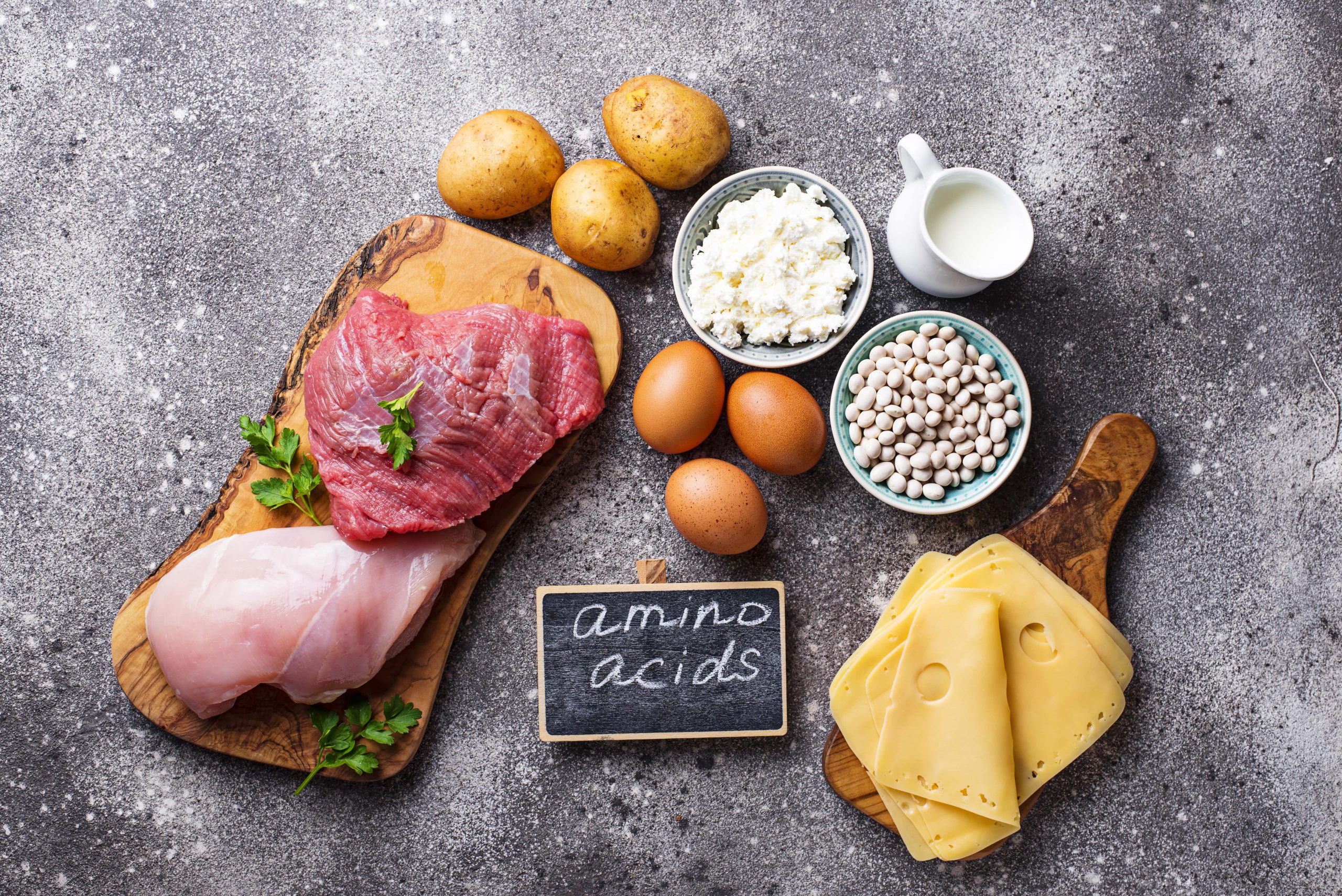
Foods like meat, fish, eggs, dairy, beans, lentils, tofu, and nuts provide amino acids naturally.
Supplements may be useful for certain groups, such as athletes with high training demands, older adults with low appetite, or individuals who struggle to meet protein needs due to medical reasons.
However, supplements should not replace real food. Whole foods provide vitamins, minerals, and other nutrients that amino acid powders do not.
It is also important to avoid assuming “more is better.” Excessive supplementation can be unnecessary and sometimes harmful depending on health conditions.
For most people, the best strategy is simply to eat enough high-quality protein across the day.
Conclusion
Amino acids serve a vital purpose in the body because they support nearly every major function tied to health and daily performance. They are the foundation of protein, helping build and repair muscles, skin, organs, and connective tissue. Amino acids also play an important role in brain chemistry, influencing neurotransmitters that affect mood, focus, and sleep. Beyond that, they contribute to immune strength by supporting antibody production, tissue repair, and gut integrity. Understanding the difference between essential and non-essential amino acids helps explain why a balanced diet matters, since essential amino acids must come from food. While supplements are widely marketed, most people can meet their amino acid needs through regular meals that include quality protein sources such as eggs, fish, dairy, legumes, tofu, and lean meats. Amino acids are not only a fitness trend—they are a core part of everyday wellness, aging health, and long-term vitality. When people focus on consistent nutrition rather than quick fixes, amino acids naturally support stronger bodies, healthier minds, and more stable energy throughout life.


Happy
0 %

Sad
0 %

Excited
0 %

Sleepy
0 %

Angry
0 %

Surprise
0 %
 0
0
 0
0