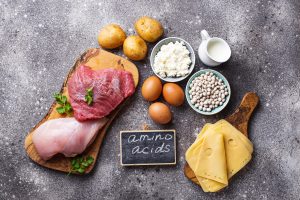

Good Source Of Protein
Read Time:6 Minute, 3 Second
Protein is one of the most important nutrients for the human body. It supports muscle growth, helps repair tissues, and plays a key role in keeping the immune system strong. Many people associate protein mainly with athletes and gym workouts, but the truth is that everyone needs protein daily, regardless of age or lifestyle. From children and teenagers to adults and seniors, protein helps the body function properly and maintain energy levels.
In today’s world, protein is also a major topic in nutrition trends. Some people want high-protein diets for weight management, while others focus on balanced eating for overall wellness. The good news is that protein is available in many different foods, including both animal-based and plant-based sources. This means people can meet their protein needs even if they follow vegetarian, vegan, or flexible diets.
This article explores the best sources of protein, including lean meats, seafood, eggs, dairy, legumes, nuts, seeds, and whole grains. It also explains how to choose protein sources wisely, how much protein the body generally needs, and why variety matters for long-term health.
Lean Meat and Poultry: High-Protein and Easy to Use
Lean meats and poultry are some of the most common protein sources worldwide. They are popular because they provide high-quality protein, meaning they contain all essential amino acids the body needs.
Chicken breast is one of the most widely recommended protein options. It is lean, versatile, and easy to cook in many ways, such as grilling, baking, or stir-frying.
Turkey is another excellent choice. It is similar to chicken but often slightly richer in flavor. Lean cuts of beef can also be good sources of protein, especially when chosen carefully.
The key is to focus on lean cuts rather than fatty processed meats. Lean meat provides protein without excessive saturated fat.
Meat and poultry are also rich in nutrients like iron, zinc, and vitamin B12, which support energy and immune function.
Within the broader topic of healthy nutrition and wellness tips, lean meat and poultry remain strong options for people who want convenient, high-protein meals without complicated planning.
Fish and Seafood: Protein Plus Heart-Friendly Benefits
Fish and seafood are excellent protein sources that also offer unique health benefits. Many fish contain omega-3 fatty acids, which support heart health and brain function.
Salmon is one of the most well-known protein-rich fish. It provides high-quality protein and healthy fats. Tuna is also a popular choice, especially for quick meals like sandwiches and salads.
Other seafood options like shrimp, sardines, and cod are also high in protein and relatively low in calories.
Seafood is often easier to digest than red meat, making it a good option for people who want lighter meals.
Another advantage of fish is that it cooks quickly. This makes it ideal for busy individuals who want healthy food without spending too much time in the kitchen.
For those looking for balanced diet guidance, seafood is one of the best ways to get protein while supporting overall wellness.
Eggs and Dairy: Simple, Affordable, and Nutrient-Rich
Eggs are one of the most complete and affordable sources of protein. They contain all essential amino acids and are easy to prepare in many ways.
Boiled eggs, scrambled eggs, omelets, and egg-based meals fit into almost any diet. Eggs are also rich in nutrients like choline, which supports brain health.
Dairy products are also strong protein sources. Greek yogurt is especially popular because it contains more protein than regular yogurt. Cottage cheese is another high-protein option often used in healthy meal planning.
Milk provides protein as well, along with calcium and vitamin D for bone health.
For people who tolerate dairy well, eggs and dairy are convenient protein choices for breakfast, snacks, and quick meals.
However, it is still important to choose lower-sugar yogurt and avoid overly processed dairy products.
Beans, Lentils, and Legumes: Plant-Based Protein Power
Legumes are some of the best plant-based protein sources. They include beans, lentils, chickpeas, peas, and soy-based foods.
Lentils are especially popular because they cook quickly and work well in soups, stews, and salads. Chickpeas are commonly used in hummus, curries, and roasted snacks.
Black beans, kidney beans, and pinto beans are high in protein and also rich in fiber. Fiber helps digestion and supports blood sugar balance.
Soy foods such as tofu and tempeh provide complete protein, making them especially valuable for vegetarians and vegans.
Legumes are also budget-friendly, which makes them accessible for many households.
For readers interested in natural health and beauty food choices, legumes support both inner wellness and external benefits by promoting stable energy, healthy digestion, and nutrient balance.
Nuts, Seeds, and Healthy Protein Snacks
Nuts and seeds provide protein along with healthy fats. They are often used as snacks or added to meals for extra nutrition.
Almonds, peanuts, walnuts, and cashews are popular choices. Peanut butter is also a widely used protein snack, especially when paired with fruits or whole-grain bread.
Seeds such as chia seeds, flaxseeds, sunflower seeds, and pumpkin seeds offer protein and minerals like magnesium and zinc.
These foods are convenient because they require little preparation and can be eaten on the go.
However, nuts and seeds are calorie-dense, so portion size matters. A small handful is often enough.
Protein bars and packaged snacks can also be useful, but it is important to check ingredients and avoid products high in added sugar.
Whole Grains and Vegetables That Add Extra Protein
Many people overlook whole grains and vegetables as protein sources, but they can contribute meaningful amounts when eaten regularly.
Quinoa is one of the best grain-based protein options because it contains complete protein. Oats also provide protein and are easy to include in breakfast routines.
Brown rice, whole wheat bread, and barley add small amounts of protein that support overall intake.
Some vegetables, such as spinach, broccoli, and Brussels sprouts, also contain protein, especially when eaten in larger portions.
While vegetables and grains are not usually the main protein source, they help build a more balanced diet.
For those seeking everyday wellness reading, understanding protein from multiple food groups helps create healthier, more sustainable eating habits.
Conclusion
Protein is essential for building strength, supporting immunity, and maintaining energy in everyday life. The best sources of protein come from a variety of foods, including lean meats, poultry, fish, eggs, dairy, legumes, nuts, seeds, whole grains, and even certain vegetables. Animal-based proteins such as chicken, turkey, salmon, and eggs provide complete amino acids and are often easy to include in daily meals. Plant-based proteins like lentils, chickpeas, beans, tofu, and tempeh offer excellent nutrition while supporting digestion through fiber. Nuts and seeds provide protein along with healthy fats, making them convenient snacks when portion sizes are controlled. Whole grains and vegetables may not be primary protein sources, but they contribute to overall intake and help create balanced meals. The most effective approach is choosing protein sources that match lifestyle, dietary preferences, and health goals. With variety and consistency, protein can support long-term wellness without extreme dieting. When people focus on balanced meals instead of trends, they can enjoy healthier bodies, stronger muscles, and better daily energy.


Happy
0 %

Sad
0 %

Excited
0 %

Sleepy
0 %

Angry
0 %

Surprise
0 %
 0
0
 0
0