
Starting Seafood Restaurant Business
Read Time:5 Minute, 50 Second
Starting a seafood restaurant business can be an exciting and profitable venture, especially in locations where seafood is in high demand. Many customers love seafood because it feels fresh, premium, and special compared to everyday meals. From grilled fish and shrimp platters to oysters, crab, and seafood pasta, a well-designed seafood menu can attract loyal diners and tourists alike. However, seafood restaurants also come with unique challenges. Freshness standards are higher, food storage requires careful planning, and sourcing reliable suppliers is critical for long-term success.
Unlike some restaurant types, seafood businesses must also pay closer attention to food safety, temperature control, and inventory management. Seafood can spoil quickly, and mistakes can lead to major losses. That is why a seafood restaurant requires strong operations, proper training, and a well-structured business plan.
This article explains how to start a seafood restaurant business step by step. It covers choosing a concept, understanding costs, sourcing seafood suppliers, designing a profitable menu, meeting food safety requirements, marketing effectively, and building customer trust. With the right planning and execution, a seafood restaurant can become a sustainable and successful business in a competitive market.
Choose the Right Seafood Restaurant Concept
The first step in starting a seafood restaurant is deciding what type of seafood business you want to run. A seafood restaurant can be casual, upscale, or somewhere in between.
Some seafood restaurants focus on grilled and fried seafood platters. Others specialize in sushi, oysters, crab boils, or seafood pasta dishes. The concept should match the local market demand and dining culture.
Location also influences concept. A seafood shack near a beach may succeed with a casual menu, while a city restaurant may need a more premium dining experience.
A strong concept includes branding, menu style, service approach, and price level. It should also have a clear target audience, such as families, tourists, business professionals, or seafood enthusiasts.
Choosing a concept early makes later decisions easier, including supplier selection, equipment needs, and staffing.
Within the broader world of business and finance restaurant startup planning, concept clarity is one of the most important factors because it shapes everything from cost structure to customer expectations.
Understand Startup Costs and Budgeting
Seafood restaurants often require higher startup costs than basic eateries because of storage and equipment needs.
Key costs include kitchen equipment, refrigeration units, freezers, seafood prep stations, ventilation systems, and food safety tools such as thermometers.
Interior design also matters. Seafood restaurants often benefit from clean, fresh aesthetics that reflect ocean or coastal themes.
Licensing and permits are another major cost. Depending on location, a restaurant may need health permits, business licenses, food handling certifications, and possibly alcohol permits.
Staffing costs include chefs, kitchen assistants, servers, and management.
Budgeting should also include marketing, initial inventory, supplier deposits, and emergency funds.
A clear budget prevents overspending and ensures the restaurant can survive during slower months.
Sourcing Fresh and Reliable Seafood Suppliers
Seafood sourcing is one of the most important elements of the business. Customers expect freshness, and poor-quality seafood can damage reputation quickly.
A successful seafood restaurant usually works with trusted seafood wholesalers, local fishermen, or certified distributors.
Reliable suppliers provide consistent quality, fair pricing, and dependable delivery schedules.
Restaurants should also confirm that suppliers meet food safety standards and follow proper cold chain practices.
Some seafood restaurants highlight local sourcing as part of branding. This can attract customers who value sustainability and freshness.
It is also wise to have backup suppliers. Seafood availability can change due to seasons, weather, and market conditions.
For entrepreneurs exploring practical business operations for food service success, supplier reliability is one of the most critical factors in seafood restaurant sustainability.
Designing a Profitable Seafood Menu
A seafood menu must balance customer appeal with profitability. Some seafood items are expensive, so pricing must be calculated carefully.
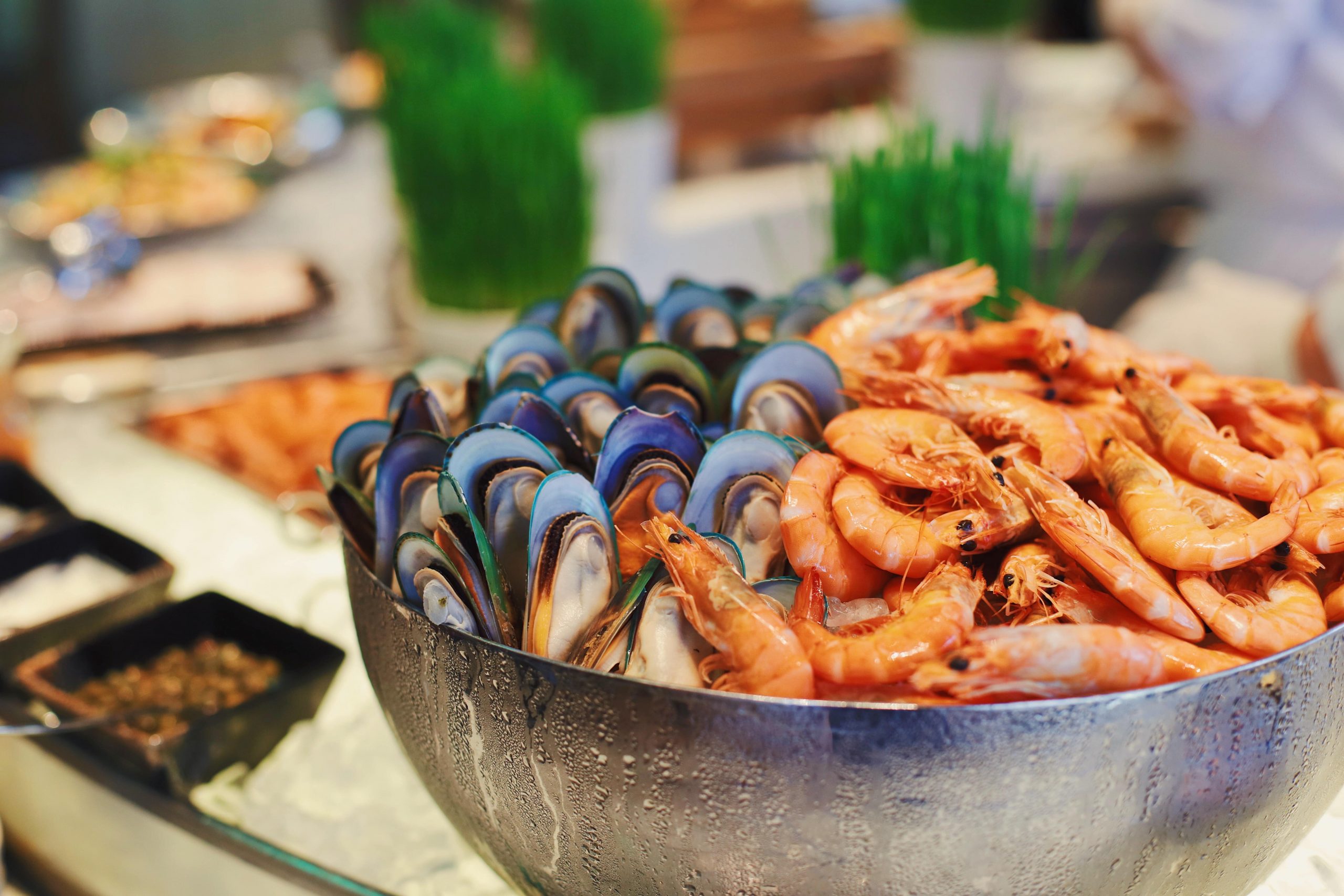
Restaurants often combine premium items such as lobster or oysters with more affordable seafood like mussels, shrimp, or fish fillets.
Offering a mix of grilled, fried, steamed, and raw options attracts different customer preferences.
Menu design should also consider waste. Seafood spoils quickly, so menus should focus on ingredients that can be used across multiple dishes.
Seasonal menus can also help. Adjusting dishes based on seafood availability reduces cost pressure.
Including side dishes and add-ons increases profit margins. Items like rice, salads, sauces, and drinks help balance higher seafood costs.
A well-designed menu supports both customer satisfaction and long-term profitability.
Food Safety and Handling Standards for Seafood
Seafood businesses must take food safety seriously. Seafood is highly sensitive to temperature changes, and improper handling can lead to contamination.
Refrigeration and freezing systems must maintain consistent safe temperatures. Staff should be trained to store, thaw, and cook seafood properly.
Regular sanitation routines reduce bacterial risk. Cutting boards, knives, and seafood prep stations must be cleaned thoroughly.
Restaurants must also follow local food safety regulations and inspection requirements.
Clear labeling and inventory tracking help prevent serving spoiled products.
Food safety training is not only about compliance—it protects customers and builds trust.
For those seeking food business risk management tips, seafood handling standards are a core responsibility that cannot be ignored.
Marketing and Building Customer Trust
Seafood restaurants succeed when they build a strong reputation. Customers often choose seafood based on trust, because freshness and quality matter more than in many other restaurant categories.
Online reviews play a major role. A restaurant should encourage satisfied customers to leave feedback on platforms such as Google and social media.
High-quality photos of dishes can attract attention. Seafood is visually appealing, especially when presented well.
Promotions such as seafood nights, tasting menus, and seasonal specials can bring repeat customers.
Storytelling also helps. Sharing information about sourcing, freshness, and sustainability builds emotional connection.
Restaurants can also partner with local tourism boards or food bloggers for visibility.
For entrepreneurs seeking everyday business growth insights, marketing is not just advertising—it is about building trust, consistency, and customer loyalty.
Conclusion
Starting a seafood restaurant business can be highly rewarding, but it requires careful planning and strong operational discipline. Choosing the right restaurant concept helps define the menu style, customer experience, and price range. Understanding startup costs is essential because seafood restaurants often require specialized equipment such as refrigeration systems and seafood prep stations. Reliable sourcing is one of the most critical success factors, as consistent quality and freshness directly influence reputation. A profitable seafood menu should balance premium items with cost-effective dishes while reducing waste through smart ingredient planning. Food safety standards must remain a top priority, since seafood handling mistakes can lead to serious customer health risks and business damage. Finally, strong marketing and customer trust-building strategies help seafood restaurants stand out in a competitive industry. When a seafood restaurant combines freshness, quality, and excellent service, it can build loyal customers and long-term profitability. With the right suppliers, smart budgeting, and consistent execution, a seafood restaurant business can grow into a successful brand that attracts both locals and tourists year after year.


Happy
0 %

Sad
0 %

Excited
0 %

Sleepy
0 %

Angry
0 %

Surprise
0 %
 0
0
 0
0